


With more than two decades behind the decks, Oscar Rosmano has built a career around a deep understanding of dancefloors, from his work as a DJ and producer to his role as owner and curator of Lisbon’s Temple Club. His upcoming single, Karyna, set for release on Manual Music, channels that experience into a deep, melodic and atmospheric house track shaped by emotion, space and a strong sense of progression.
In this interview with Find Your Sounds, Rosmano discusses the personal inspiration behind the record, his evolving approach to production, the technology at the heart of his studio and how Temple Club continues to influence his music.
Your upcoming single Karyna on Manual Music blends deep, melodic and progressive house with an uplifting, vocal-led feel. What was the starting point for the record, and what did you want listeners to take away from it?
Karyna began from a very personal place. The title comes from my wife, and although the track isn’t intended to tell a literal story, it reflects emotions I’ve experienced over the last few years. I wanted to create something that feels emotional without becoming sentimental, combining warmth, energy and a sense of hope. Above all, I wanted people to connect with the feeling rather than simply hear another club record. If the music stays with someone long after they’ve left the dancefloor, then I’ve achieved what I set out to do.
After more than two decades as a DJ, how has life behind the decks influenced the way you produce? Are you always thinking about how a track will work in a club while you’re writing it?
Absolutely. More than twenty-five years behind the decks has probably been my biggest education as a producer. DJing teaches you things that no tutorial or plugin ever can. You learn how people react to tension, groove, dynamics and emotion. I never produce with formulas in mind, but I do imagine myself playing every track. If I can’t picture where it belongs in a set or how it makes the dancefloor feel, I usually go back and rethink it.
Progressive house has evolved dramatically over the years. Which qualities do you think have stood the test of time, and how do you draw on those influences without sounding nostalgic?
For me, progressive house has never been about following trends. It’s about storytelling, atmosphere and taking people on a journey. Those qualities have remained timeless since the music that first inspired me in the ’90s. I don’t try to recreate that era; instead, I take those core principles and express them through modern production techniques and today’s sonic palette. The goal isn’t to sound nostalgic—it’s to make music that feels timeless.
Karyna has a real sense of space and atmosphere. When you’re producing, what are the key techniques you rely on to create depth, movement and emotion in a track?
I spend a lot of time on automation and subtle movement rather than constantly adding more sounds. Small changes in filters, reverbs, delays and stereo imaging help create the feeling that a track is constantly evolving. I also believe in leaving space. Not every frequency needs to be filled, and sometimes silence or simplicity creates more emotion than adding another layer.
Production technology has changed beyond recognition in recent years. Which advances have genuinely improved your workflow, and are there any modern trends or tools you deliberately avoid?
Technology has made production much faster and more accessible, especially when it comes to workflow, organisation and mixing. AI and intelligent tools can also be useful, but I see them as assistants rather than creative replacements. What I deliberately avoid is relying too heavily on presets or chasing whatever production trend happens to be fashionable. Technology should help you express your own ideas—not replace them.
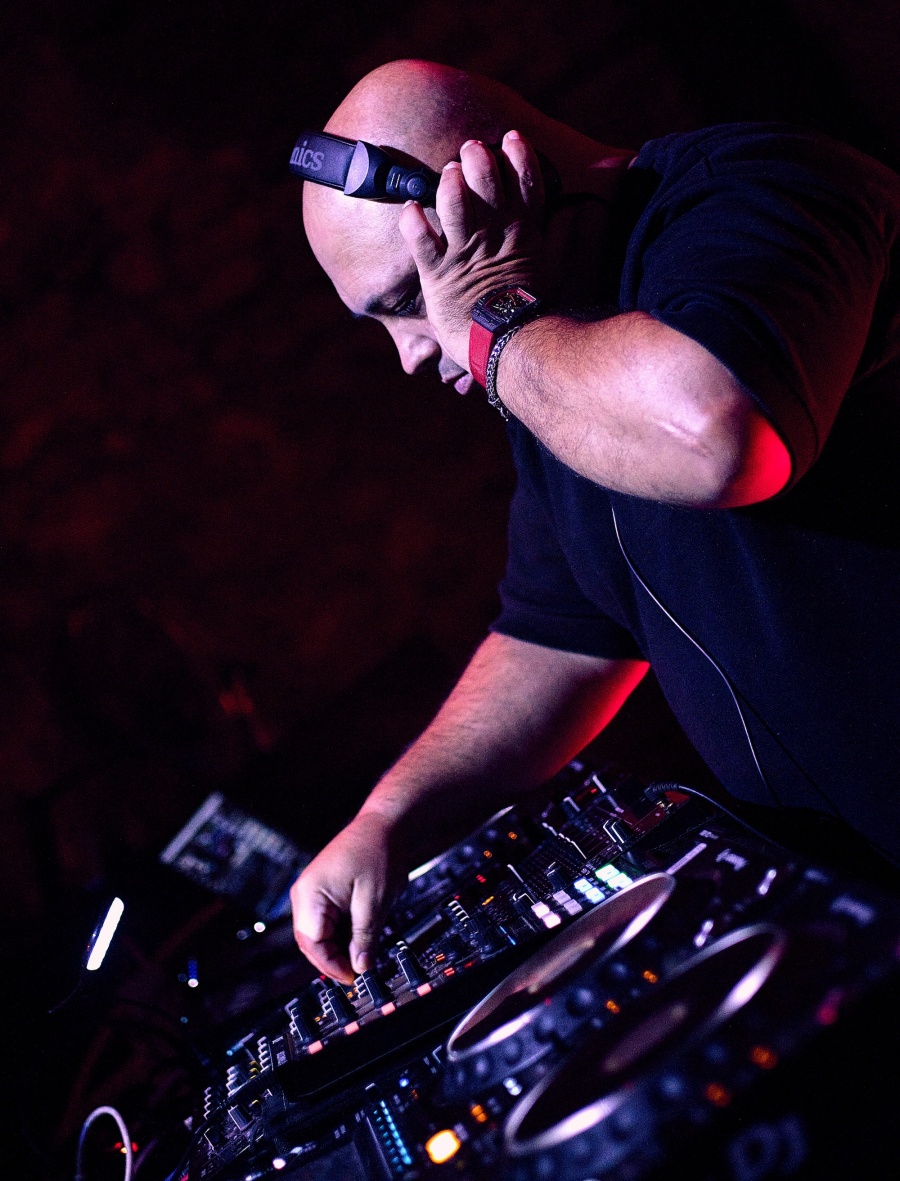
Every producer has a few pieces of gear or plugins they couldn’t live without. What’s at the heart of your studio setup today, and how has it evolved over the years?
These days I work almost entirely in the box. My DAW is the centre of everything, supported by a relatively small collection of plugins that I know inside out. Over the years I’ve realised that understanding your tools is far more valuable than constantly buying new ones. Simplicity keeps me focused on the music rather than the technology.
As owner and curator of Temple Club, you’re hearing music on a world-class sound system every week. Has that changed the way you write or mix your own records?
Without question. Running Temple Club has probably been one of the biggest influences on my production. Every week I hear music on a world-class sound system and, more importantly, I get to watch how people react to it. You quickly learn the difference between a track that sounds impressive in the studio and one that genuinely moves a dancefloor. That experience has taught me to focus less on making records louder or more complicated, and more on groove, dynamics, balance and emotional progression.
With Karyna arriving on Manual Music and more releases on the horizon, do you feel you’ve now found your signature sound, or is it still something you’re consciously developing?
I think I’m closer than I’ve ever been, but I honestly hope I never stop evolving. Every release teaches me something new. What has become clearer over time is that I’m no longer trying to fit into trends. I’m simply making the music that feels natural to me—music built around emotion, atmosphere and storytelling. If people can hear one of my tracks without seeing my name and recognise that it’s mine, that’s the ultimate compliment.
Karyna is out 24 July on Manual Music